China-aid training alumni workshop focuses on boosting rice yields in Sri Lanka_我的网站
A |
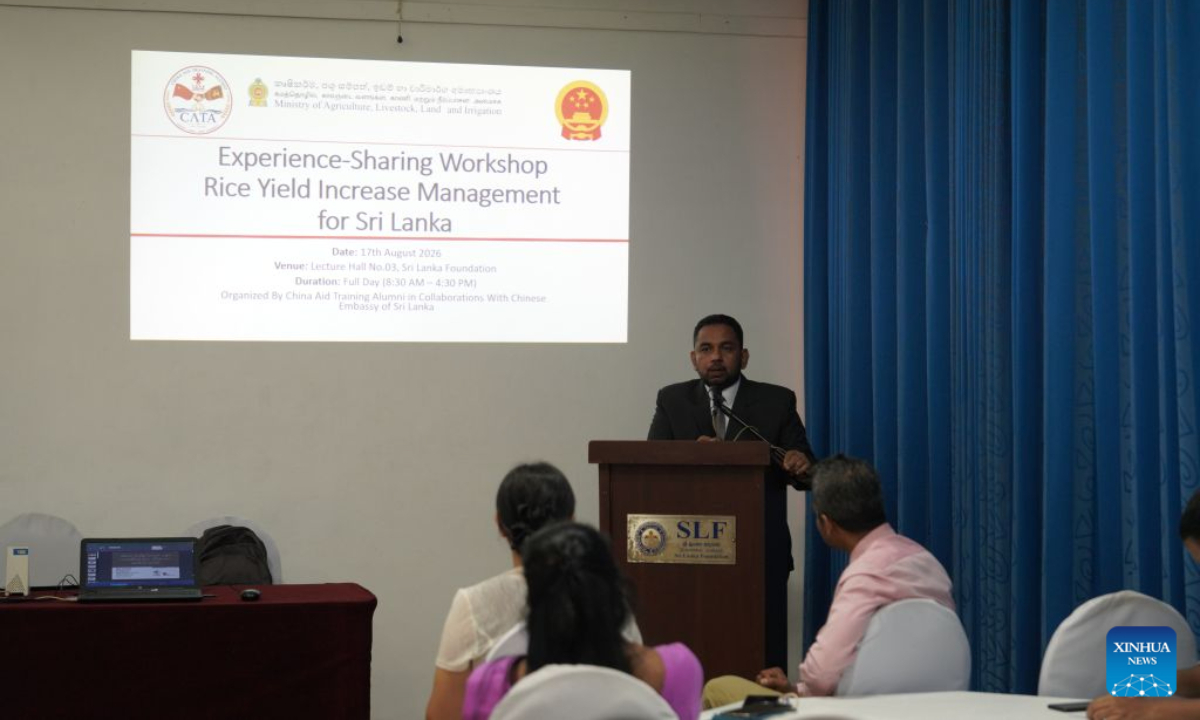
Sanjeewa Wimalagunarathna, president of CATA Sri Lanka, speaks during the first targeted experience-sharing workshop organized by China Aid Training Alumni (CATA) Sri Lanka held in Colombo, Sri Lanka, Aug. 17, 2026. The first targeted experience-sharing workshop organized by China Aid Training Alumni (CATA) Sri Lanka was held in Colombo on Monday, focusing on ways to increase rice yields and promote agricultural development in the country. (Xinhua/Chen Dongshu)The first targeted experience-sharing workshop organized by China Aid Training Alumni (CATA) Sri Lanka was held in Colombo on Monday, focusing on ways to increase rice yields and promote agricultural development in the country. Organized by CATA Sri Lanka with support from the Chinese Embassy in Sri Lanka and Sri Lanka's Department of Agriculture, the workshop, themed "Rice Yield Increase Management for Sri Lanka," focused on high-yield rice varieties, seed technology, sustainable soil and water management, integrated pest and disease management, agricultural mechanization, post-harvest technologies, as well as policy and institutional support. Sanjeewa Wimalagunarathna, president of CATA Sri Lanka, said in his welcome remarks that the event was the first experience-sharing workshop of its kind launched by the organization this year, describing the participating alumni as "pioneers" of the initiative. He said the workshop would serve as a pilot for similar programs in the future and encouraged the alumni to provide frank and practical input based on both what they had learned during training in China and Sri Lanka's actual conditions, so that their experience and suggestions could be genuinely useful. The representative of the Chinese Embassy in Sri Lanka said agriculture has long been an important area of practical cooperation between China and Sri Lanka. She expressed hope that the alumni would make good use of the knowledge and experience they had gained in China and become a backbone force in Sri Lanka's agricultural development, while continuing to serve as ambassadors of friendship between the two countries, integrating their personal growth with national development and contributing to deeper bilateral cooperation. During the workshop, Sri Lankan alumni shared techniques and practices they had learned in China in areas including high-yield varieties, water management, integrated pest management, mechanization and post-harvest technologies. Participants were also divided into working groups to discuss seed technology and varietal improvement, sustainable soil and water management, integrated pest and disease management, mechanization and modern farming practices, post-harvest storage and marketing, as well as policy and institutional support. Each group was tasked with developing a practical implementation roadmap containing specific recommendations, timelines, responsible institutions and required support. The roadmaps were then presented to relevant stakeholders for discussion and feedback, with a follow-up mechanism also envisaged by the organizers. Rice is a staple food in Sri Lanka and plays an important role in the country's food security. Sri Lanka's annual paddy production reached about 5.05 million metric tons in 2025, up 7.6 percent from the previous year, according to the Central Bank of Sri Lanka. China and Sri Lanka have continued to expand cooperation in human resources development and capacity building in recent years. China has organized aid-funded training programs for Sri Lankan participants from government departments, research institutions, business associations and enterprises. According to the Chinese Embassy in Sri Lanka, nearly 14,000 Sri Lankan political and business representatives have participated in China-aid training programs in China over the years. In 2025 alone, approximately 1,000 Sri Lankan trainees participated in nearly 100 training programs, including 19 bilateral programs tailored to Sri Lanka's specific needs. 。


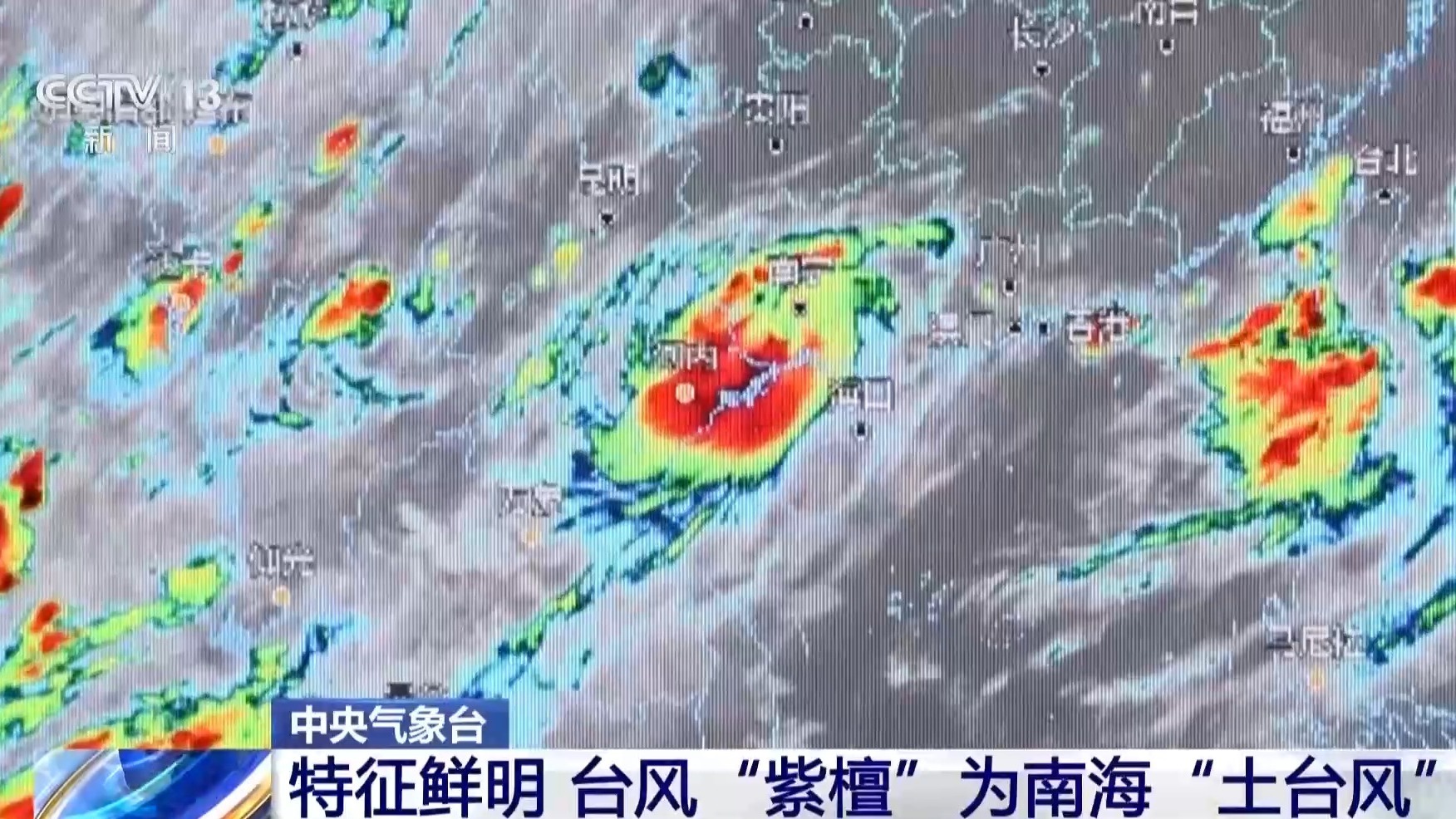 另外它的个头小,整体强度偏弱,水平范围比较小,大部分时候中心风力在12级以下;还有一个特点是结构散,没有台风眼或者台风眼模糊。预计“紫檀”会在北部湾徘徊少动,可能会在这个过程中多次登陆我国,在海南、广东西部、广西南部等地风雨可能会大一些。
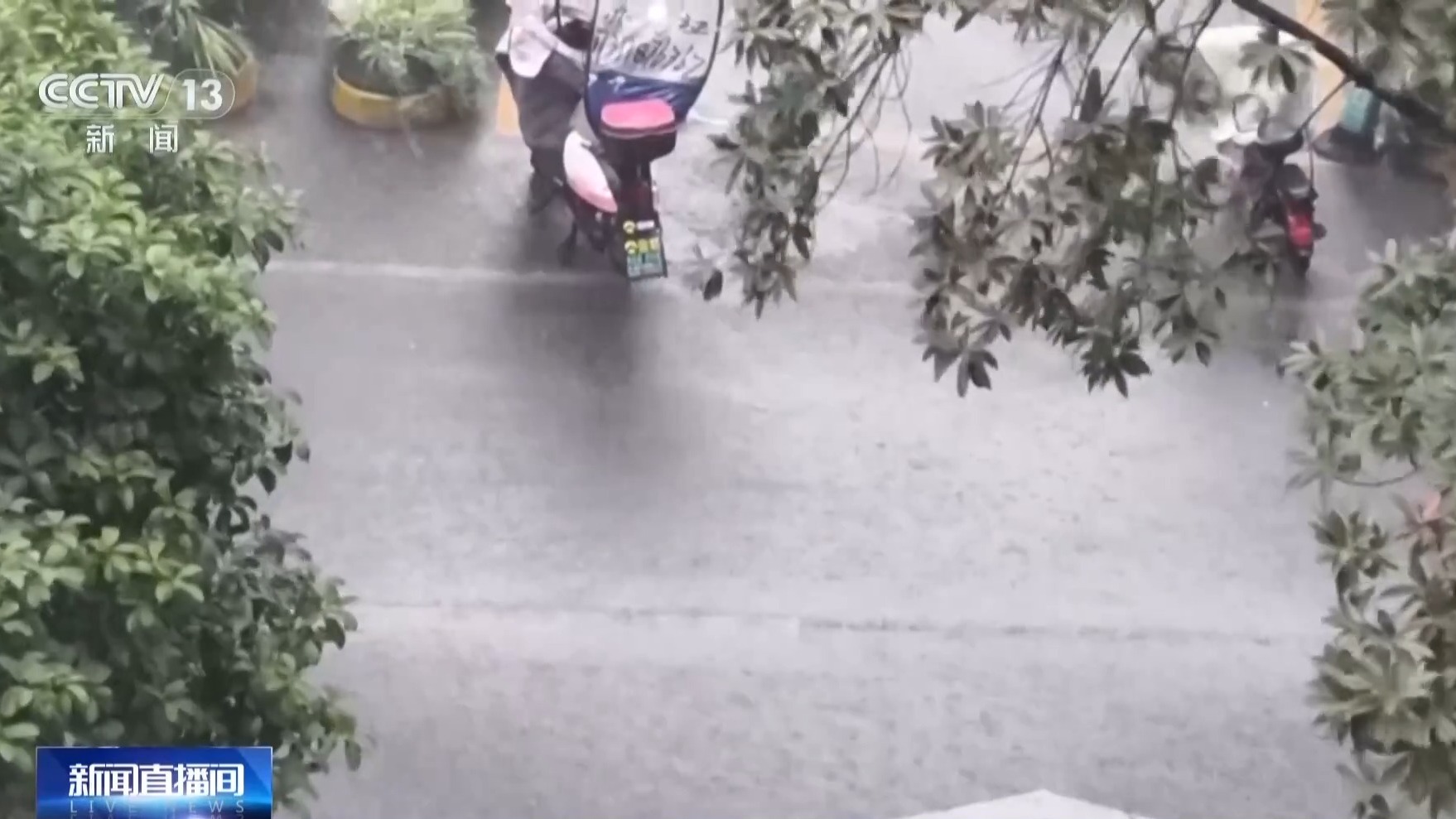 气象部门提醒,第19号台风“紫檀”将在北部湾海面长时间滞留,海南、广西、广东、福建等地将有持续性强降雨天气,部分地区累计雨量有一定极端性,需做好提前防御工作,公众尽量在降雨时远离山区、河谷、地势低洼地区等高影响区域。北方地区多强对流天气,降雨来去匆匆,外出时需注意避雨。


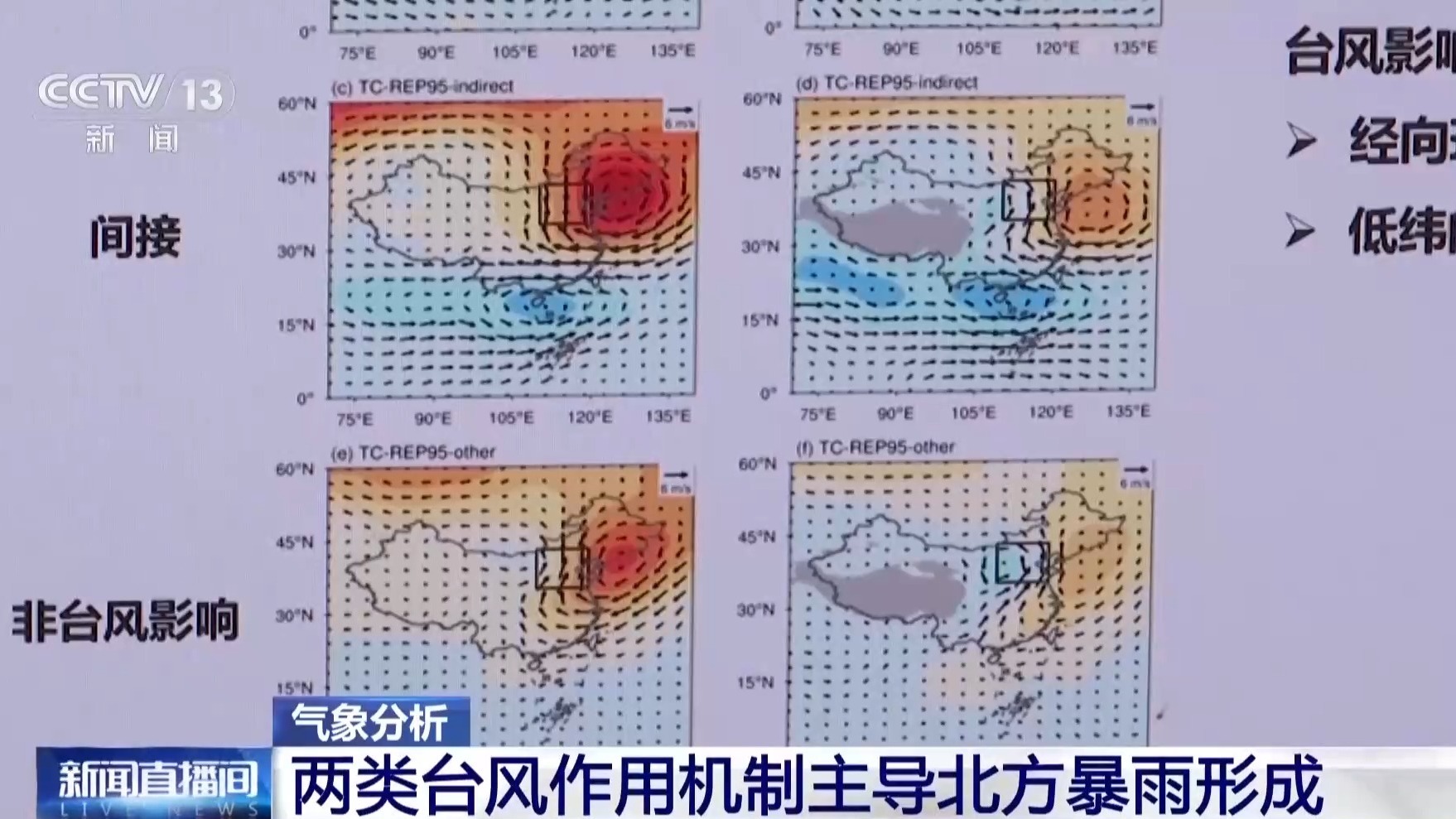 绝大多数台风引发的北方暴雨都属于远距离输送水汽。此时,台风就像一台巨型海上抽水机,即便位于南海、台湾以东洋面,也能拉出一条长长的水汽通道,把太平洋、南海的暖湿空气一路输送到华北。据统计,超七成台风型降雨都是远距离水汽输送造成的。
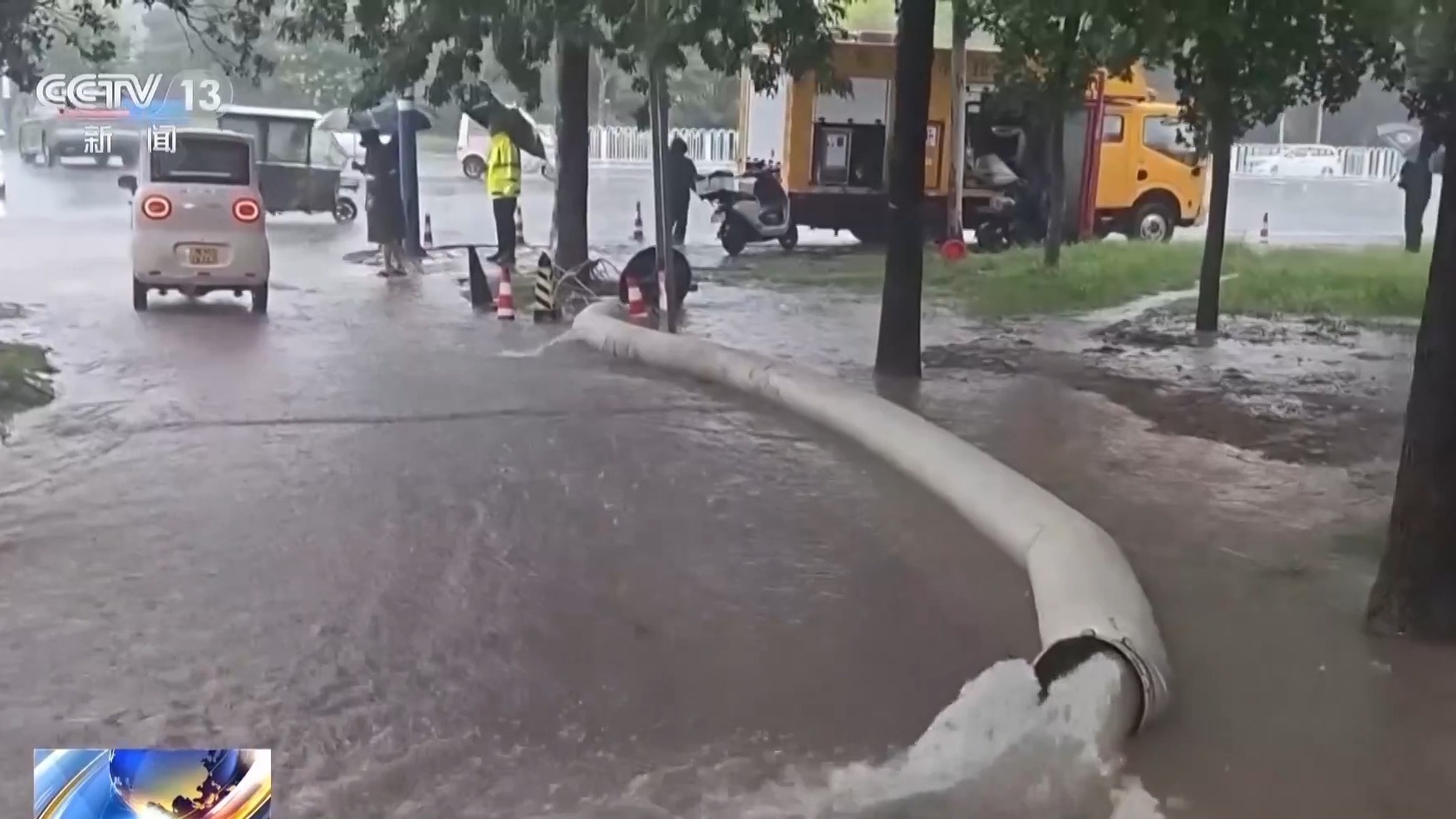 研究还发现,对华北区域性极端暴雨具有直接影响的台风中心平均位置在河南南部,这一位置的台风与副热带高压之间强烈的位势梯度有利于东南急流形成,从而将大量水汽输送至华北地区,对极端降水的发生起到重要作用。专家提示,每年6—9月,即便台风远离北方地区,仅在东南沿海及近海活动,也不能放松警惕,远距离水汽输送同样能在北方地区触发大范围暴雨,特别是台风活跃年份,北方山区、山前平原、河道沿线需重点防范山洪和城市暴雨积涝等灾害。

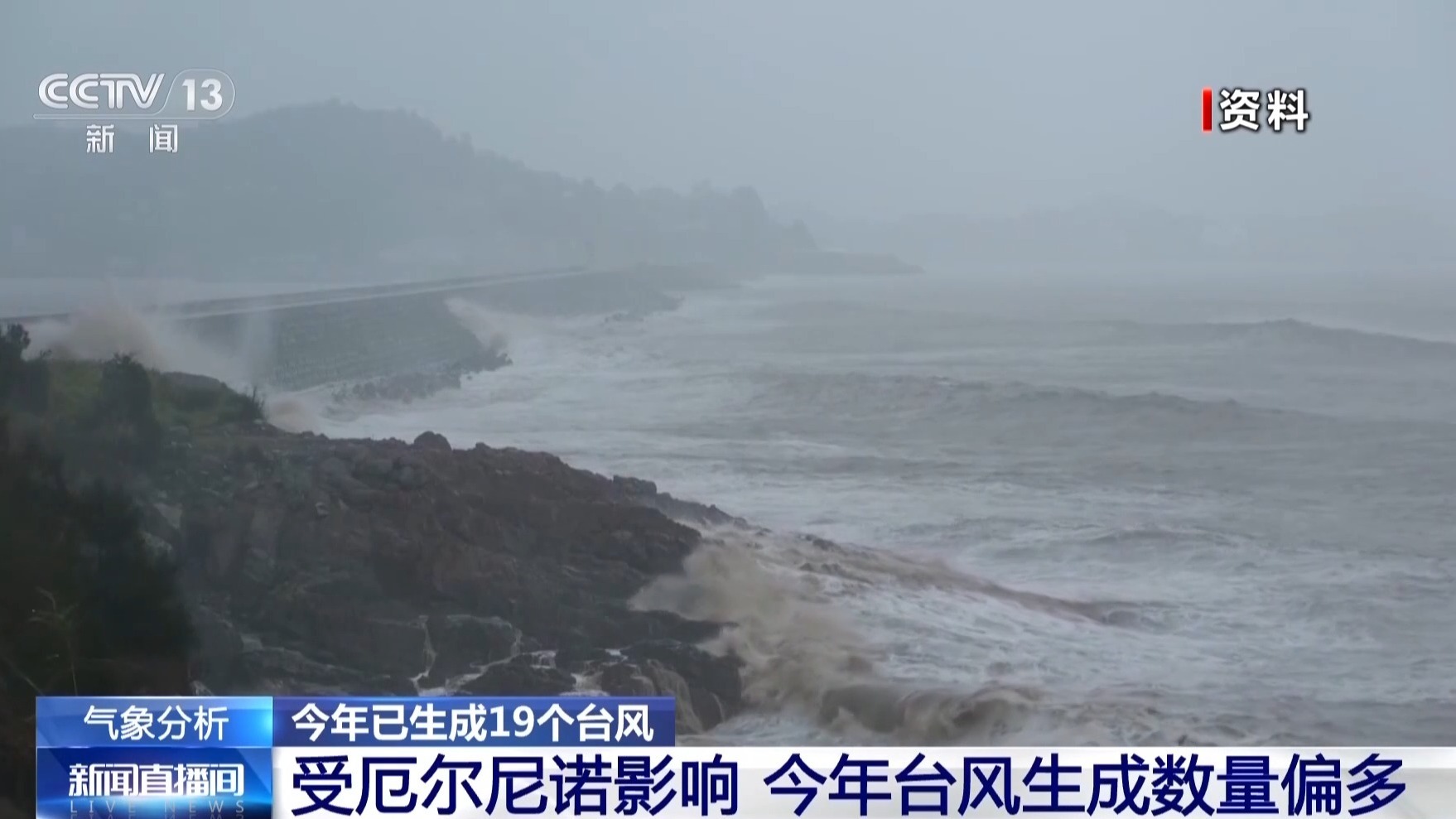 今年台风的特点是因为受超强厄尔尼诺的影响,有些台风生成的原地比较偏东,比如“巴威”“白海豚”,还有目前的“沙德尔”,它们在海上移动的时间比较长,吸收能量会比较多,一旦登陆,影响比一般的台风要大。